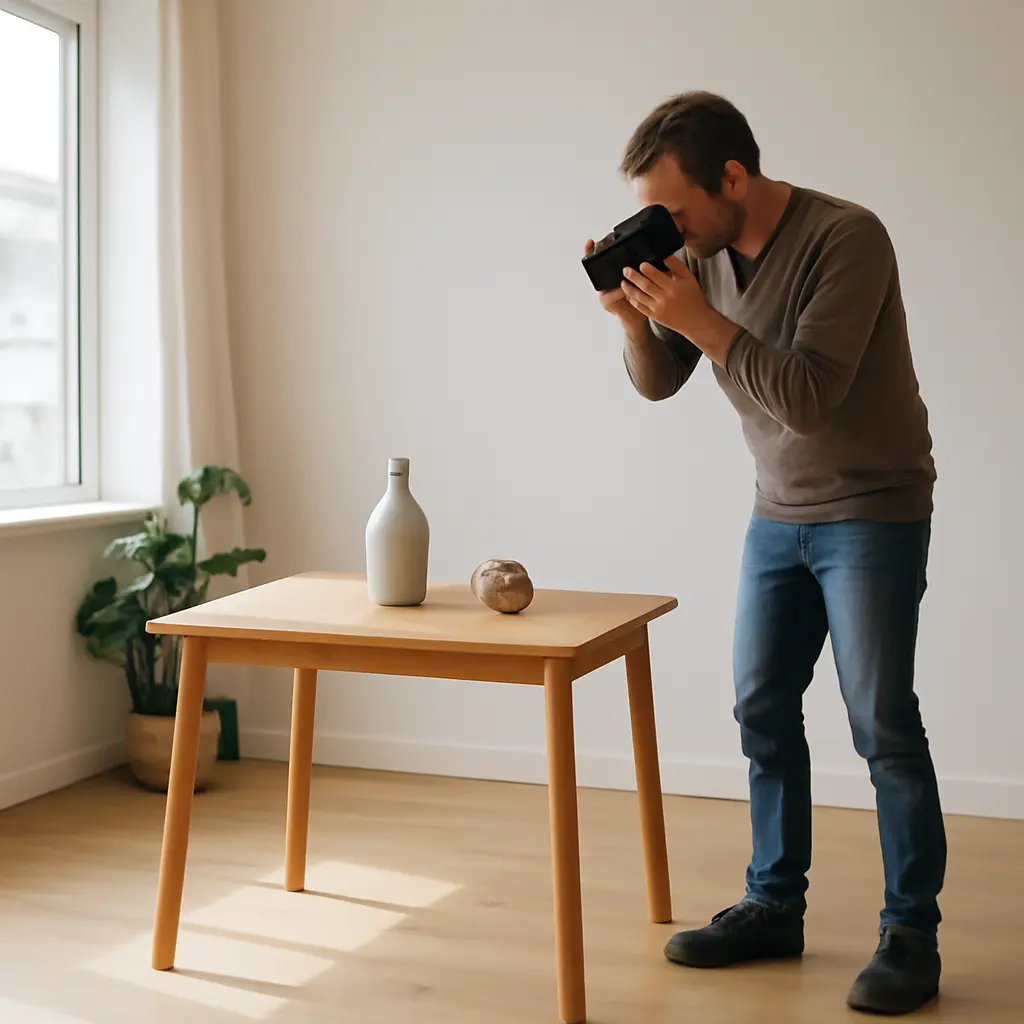
Better technique is often the most affordable equipment upgrade. Before buying a new camera, golf club, kitchen tool, musical instrument, or other gear, improve how you use what you already own: practice deliberately, refine setup and fundamentals, and learn the equipment’s features. These technique upgrades can address common performance problems without the cost of replacing gear—and they offer a useful first step in activities ranging from photography and cooking to sports and music.
Technique upgrades improve results before equipment upgrades
A technique upgrade is a change in skill, method, setup, or decision-making that helps someone get more from existing equipment. It is not a promise that technique can overcome every equipment limitation. Rather, it provides a practical way to identify whether a problem comes from the user’s process, the gear, or both.
The distinction matters because buying equipment can feel like progress while leaving the underlying issue untouched. A sharper lens will not automatically improve focus choices; a premium chef’s knife will not correct an unstable cutting board; and new golf clubs will not necessarily fix inconsistent contact. Start by identifying the specific result that is disappointing, then test a technique change before spending.
Diagnose the performance gap
A performance gap is the difference between the result you want and the result you routinely get. Describe it in observable terms: photographs are blurred in low light, vegetables are cut unevenly, notes sound out of tune, or golf shots frequently miss to one side. A specific diagnosis is more useful than the broad conclusion that your equipment is “not good enough.”
For several attempts, record the conditions and outcome. A photographer might note shutter speed and whether the camera or subject moved; a cook might track pan temperature and ingredient size. This simple comparison can reveal a recurring technique issue. If the results remain poor under controlled conditions and the equipment’s documented limits are clearly involved, a purchase may be justified.
Change one variable at a time
Controlled practice means adjusting one element while keeping other conditions as consistent as possible. Try a different grip, stance, camera setting, sharpening motion, or practice tempo—but avoid changing several things at once. When only one variable changes, it is easier to tell whether the adjustment helped.
This approach also turns practice into a useful test rather than a vague repetition. Make a short baseline sample, practice the adjustment, and compare the next sample under similar conditions. Keep changes that reliably improve the outcome; discard those that do not.
Practice technique upgrades with feedback and measurable goals
Practice is the repeated, purposeful rehearsal of a skill. In a widely cited 1993 study, psychologist K. Anders Ericsson and colleagues examined violinists at a music academy and reported differences in accumulated practice among groups of performers. The study helped popularize deliberate practice: focused work on specific weaknesses with feedback. It should not be read as proof that practice alone guarantees expertise, but it supports a practical principle—repetition is more informative when it has a clear target and a way to assess progress.
Use short, focused drills
A drill isolates one skill so you can work on it without the distractions of a full performance. A photographer can practice holding steady and making deliberate focus selections; a cook can practice consistent cuts on an inexpensive ingredient; a musician can rehearse a difficult passage slowly before returning to full tempo. Keep the drill manageable and repeat it with attention to form.
Set a simple measure before you begin, such as the proportion of sharp images, the consistency of slice size, the number of clean repetitions, or the accuracy of a target shot. The measure need not be sophisticated. Its purpose is to help distinguish genuine improvement from a good or bad day.
Get feedback from recordings, notes, and knowledgeable people
Feedback makes technique visible. Reviewing a video can reveal posture or timing that is hard to notice in the moment; listening to a recording can expose uneven rhythm; and a cooking log can show whether a recipe fails at the same step. A qualified coach, teacher, or experienced peer may spot habits that self-review misses.
Keep feedback specific and actionable. “Relax your grip during the follow-through” is more useful than “be better.” Test the suggested change in a small number of repetitions, then check whether it improves the result without introducing a new problem.
Improve setup and maintenance before replacing gear
Setup is the way equipment and working conditions are arranged for a task. Small adjustments to fit, positioning, cleanliness, calibration, or preparation can make existing equipment easier and more consistent to use. Before buying an upgrade, consult the manufacturer’s instructions and check whether your current gear is correctly configured and maintained.
Check fit, positioning, and basic settings
Poor fit can make even capable equipment uncomfortable or difficult to control. Adjust a camera strap and eyepiece, set a work surface at a comfortable height, check that a bicycle saddle is positioned appropriately, or confirm that an instrument is assembled and tuned according to its instructions. For safety-critical equipment, use qualified fitting advice rather than guessing.
Likewise, learn the settings already available. Many cameras offer focus modes and exposure controls; appliances may have distinct heat or speed settings; and sports equipment may allow basic adjustments. A short review of the manual can reveal a feature that solves the problem more directly than a new purchase.
Clean, sharpen, tune, and inspect
Maintenance is a technique upgrade’s practical partner. Dust on a lens, a dull blade, loose hardware, low batteries, or an out-of-tune instrument can undermine performance and be mistaken for a lack of skill. Follow the manufacturer’s care instructions, inspect equipment regularly, and use a qualified repair service when a task exceeds your experience.
Maintenance cannot make unsuitable equipment suitable, but it helps establish a fair baseline. Testing clean, correctly functioning gear makes it easier to determine whether the real limitation is technique, condition, or capability.
Apply technique upgrades across common equipment categories
The details vary by activity, but the same sequence applies: define the desired outcome, identify the likely cause, practice a targeted adjustment, and compare results. The examples below show how that method can guide decisions in several familiar pursuits.
Photography: steady handling and exposure choices
Before replacing a camera or lens, check whether blur comes from camera movement, subject movement, missed focus, or insufficient light. Practice a stable stance, support the camera with both hands, and learn how shutter speed, aperture, and ISO affect an image. For moving subjects, a faster shutter speed may matter more than a sharper lens; for stationary scenes, a tripod or improved support may be the relevant solution.
Compare several images taken under similar conditions and inspect them at the same magnification. If careful handling and appropriate settings still cannot meet a specific need—such as a required focal length or reliable performance in very low light—then equipment research has a concrete purpose.
Cooking: knife control and heat management
A high-quality knife is useful, but consistent cutting also depends on a stable board, a controlled grip, and a sharp edge. Practice slow, even cuts while keeping fingertips safely tucked, and use a damp towel beneath the board if appropriate to prevent slipping. Learn how pan preheating and crowding affect browning before assuming a more expensive pan is the answer.
If food sticks or cooks unevenly, test one factor at a time: pan temperature, amount of food, cooking time, or maintenance. Replace or repair equipment when it is damaged, unsafe, or incapable of performing the task—not simply because a better-looking model is available.
Sports and music: fundamentals before premium gear
In sports, stance, alignment, balance, and repeatable movement often deserve attention before a new club, racket, or pair of shoes. Use a coach or suitable instruction when technique affects safety or when persistent discomfort occurs. Do not try to correct pain by forcing more practice or changing equipment without understanding the cause.
For music, tuning, posture, relaxed hand position, and slow practice can improve control on an existing instrument. A teacher can help distinguish a technique challenge from an instrument that is poorly set up or unsuitable for the player. In both cases, upgrade when a clearly identified equipment constraint remains after fundamentals and setup have been checked.
Decide when buying better equipment is worthwhile
Technique-first does not mean never buying new gear. Equipment can be the true bottleneck when it is unsafe, damaged, unreliable, incompatible with the task, or unable to meet a specific requirement. The key is to make the purchase solve a demonstrated problem rather than a guessed one.
Use a purchase test
Before buying, write down what the current equipment cannot do, what capability the replacement must provide, and how you will judge whether the upgrade worked. If possible, borrow or rent the candidate equipment and test it in realistic conditions. A trial can reveal whether the limitation is genuinely addressed and whether the new gear is comfortable and practical.
- Define the specific performance problem and the conditions in which it occurs.
- Check your technique, setup, settings, and maintenance.
- Practice one targeted change and compare results with a baseline.
- Research replacements only if a clear equipment limitation remains.
- Consider total cost, including accessories, upkeep, training, and resale value.
Treat safety and accessibility as valid reasons to upgrade
Some purchases should not wait for extended practice. Replace gear that is unsafe or fails inspection, and seek appropriate professional advice where health, accessibility, or injury risk is involved. Adaptive equipment can also make an activity possible or more comfortable; it is not merely a luxury upgrade. A technique-first approach is a way to make informed choices, not a rule that people must struggle with unsuitable equipment.
Conclusion: build skill, then buy with a clear purpose
Technique upgrades begin with diagnosing a performance gap, then use focused practice and feedback to test possible improvements. Better setup and maintenance create a fair baseline, while examples from photography, cooking, sports, and music show how fundamentals can improve results without an immediate purchase. When a genuine limitation remains—or safety, fit, or accessibility requires a change—buy equipment that addresses that specific need. Choose one skill to practice this week, record your results, and use what you learn to guide your next equipment decision.
Sources: Ericsson, K. Anders, Ralf Th. Krampe, and Clemens Tesch-Römer, “The Role of Deliberate Practice in the Acquisition of Expert Performance,” Psychological Review, 1993, https://doi.org/10.1037/0033-295X.100.3.363; U.S. Consumer Product Safety Commission, “Sports and Recreational Safety,” https://www.cpsc.gov/Safety-Education/Safety-Guides/Sports-Fitness-and-Recreation; Nikon, “Understanding Shutter Speed,” https://www.nikonusa.com/learn-and-explore/c/tips-and-techniques/understanding-shutter-speed; U.S. Department of Agriculture, Food Safety and Inspection Service, “Kitchen Companion: Your Safe Food Handbook,” https://www.fsis.usda.gov/food-safety/safe-food-handling-and-preparation/food-safety-basics/kitchen-companion-your-safe-food